
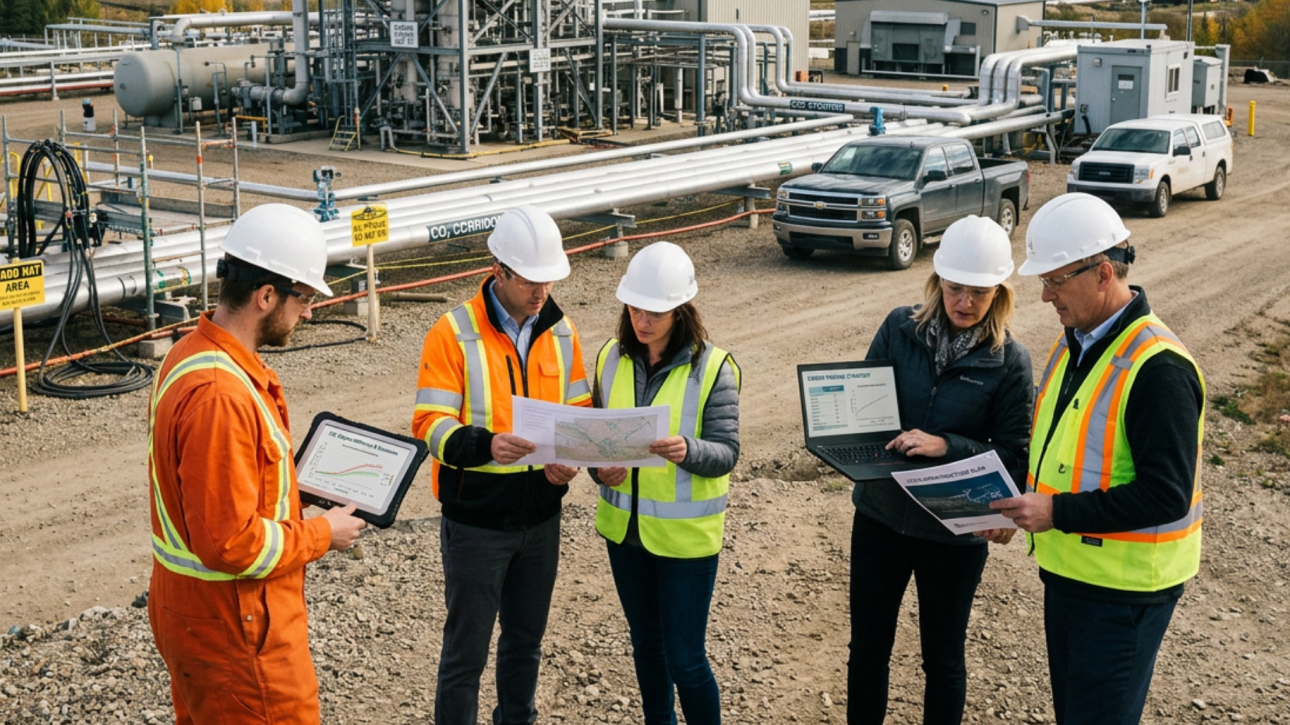
Canada Carbon Pricing Deal Nears as CCUS Investment Hinges on Policy Alignment
Canada and Alberta are approaching a critical carbon pricing agreement that could redefine the economics of carbon capture, utilization, and storage (CCUS) investment across the oil sands sector. For executive decision-makers, this development underscores the growing interdependence between policy frameworks and large-scale decarbonization capital deployment.
According to sources close to the negotiations, the proposed framework would significantly increase the effective carbon cost for industrial emitters-potentially reaching C$130 per…
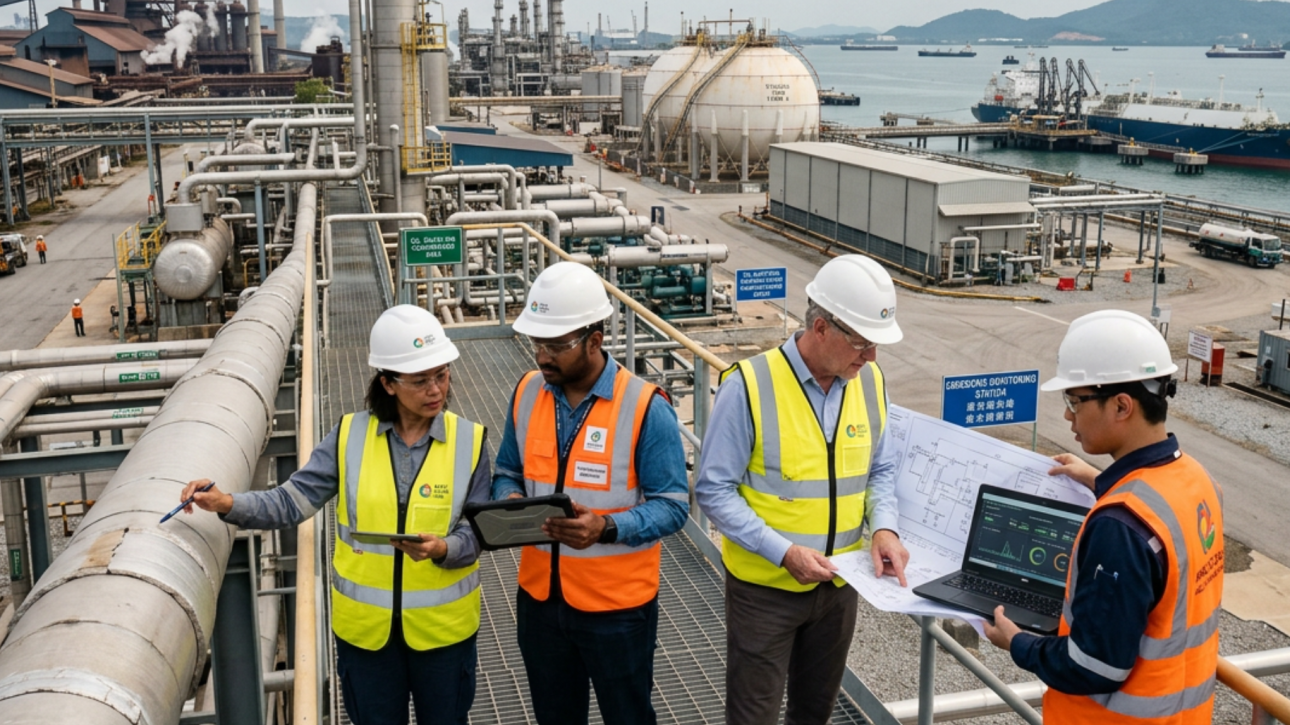
APAC CCUS Hubs Shortlisted to Accelerate Industrial Decarbonization
A K Line-backed consortium comprising ArcelorMittal Nippon Steel India, JSW Steel, Hyundai Steel, BHP, Chevron Australia New Energies, Mitsui, and K Line has identified five high-potential CCUS hub locations across the Asia-Pacific. The initiative marks a decisive step toward scaling industrial decarbonization in one of the world’s most emissions-intensive regions.
The shortlisted APAC CCUS hubs, selected from more than 3,000 evaluated sites, are located across India, Indonesia, Malaysia, and Australia. These locations…
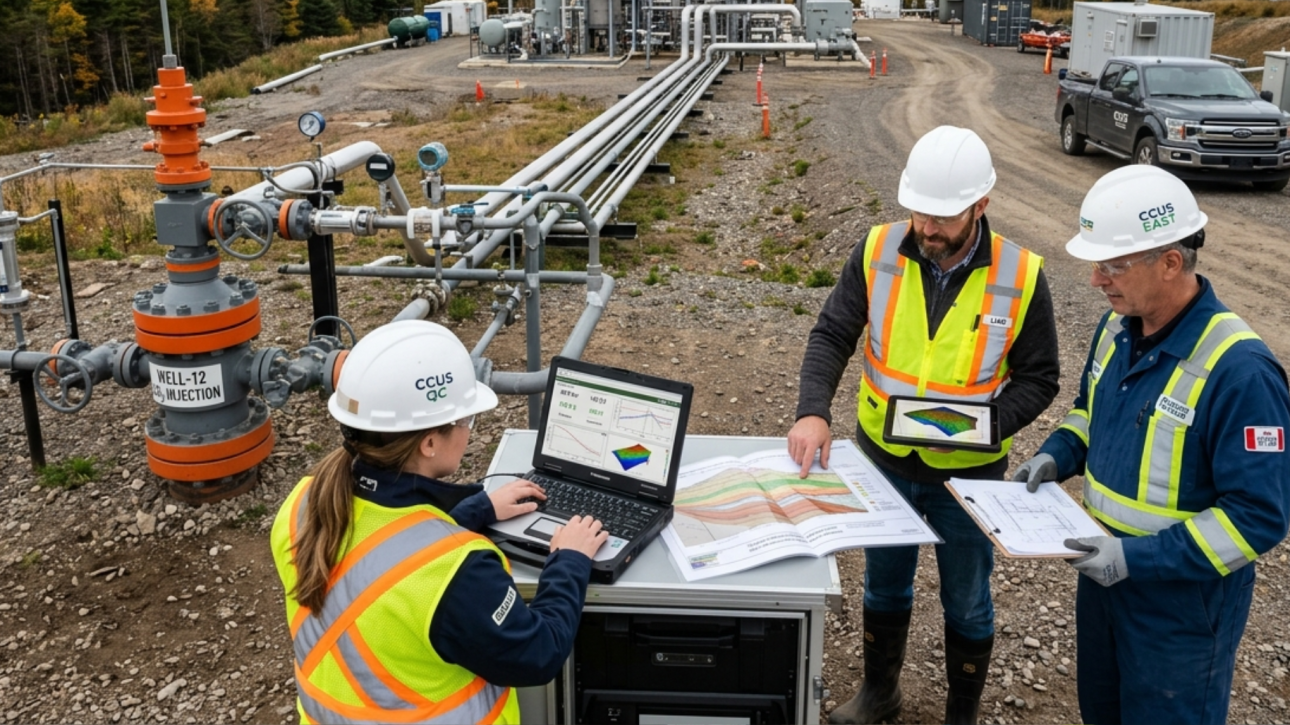
Eastern Canada is rapidly positioning itself as a critical player in the global decarbonization landscape. A newly released geological carbon storage atlas delivers a comprehensive and integrated assessment of carbon dioxide (CO₂) storage potential across Québec and Atlantic Canada-marking a significant advancement in carbon capture, utilization, and storage (CCUS) strategy.
For decision-makers navigating the energy transition, this development offers both clarity and opportunity.
A Data-Driven Foundation for Carbon Storage Investment
The atlas provides a region-wide evaluation of subsurface storage capacity,…
Canada Carbon Pricing Deal Nears as CCUS Investment Hinges on Policy Alignment
Canada and Alberta are approaching a critical carbon pricing agreement that could redefine the economics of carbon capture, utilization, and storage (CCUS) investment across the oil sands sector. For executive decision-makers, this development underscores the growing interdependence between policy frameworks and large-scale decarbonization capital deployment.
According to sources close to the negotiations, the proposed framework would significantly increase the effective carbon cost for industrial emitters-potentially reaching C$130 per…
APAC CCUS Hubs Shortlisted to Accelerate Industrial Decarbonization
A K Line-backed consortium comprising ArcelorMittal Nippon Steel India, JSW Steel, Hyundai Steel, BHP, Chevron Australia New Energies, Mitsui, and K Line has identified five high-potential CCUS hub locations across the Asia-Pacific. The initiative marks a decisive step toward scaling industrial decarbonization in one of the world’s most emissions-intensive regions.
The shortlisted APAC CCUS hubs, selected from more than 3,000 evaluated sites, are located across India, Indonesia, Malaysia, and Australia. These locations…
Eastern Canada is rapidly positioning itself as a critical player in the global decarbonization landscape. A newly released geological carbon storage atlas delivers a comprehensive and integrated assessment of carbon dioxide (CO₂) storage potential across Québec and Atlantic Canada-marking a significant advancement in carbon capture, utilization, and storage (CCUS) strategy.
For decision-makers navigating the energy transition, this development offers both clarity and opportunity.
A Data-Driven Foundation for Carbon Storage Investment
The atlas provides a region-wide evaluation of subsurface storage capacity,…