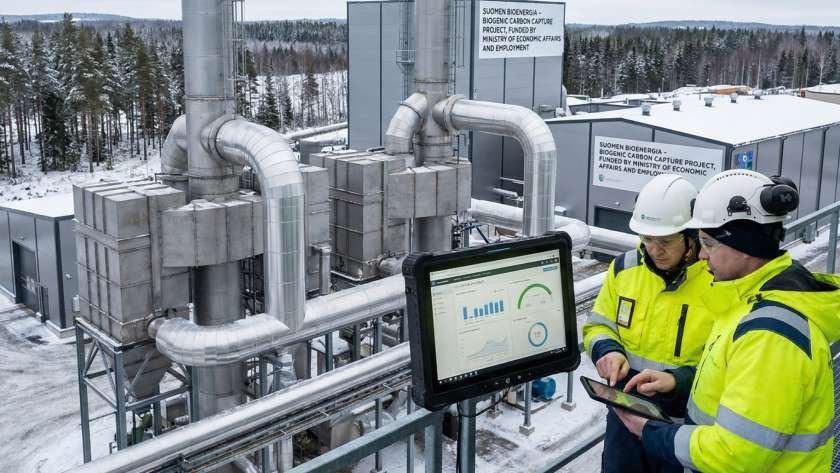
January 12, 2026 – Finland is taking a decisive step to position itself at the forefront of industrial-scale carbon removal with the launch of a EUR 90 million investment aid program for biogenic carbon capture projects. Open for applications until 31 March 2026, this initiative signals a new era of strategic, market-driven decarbonization with potential…
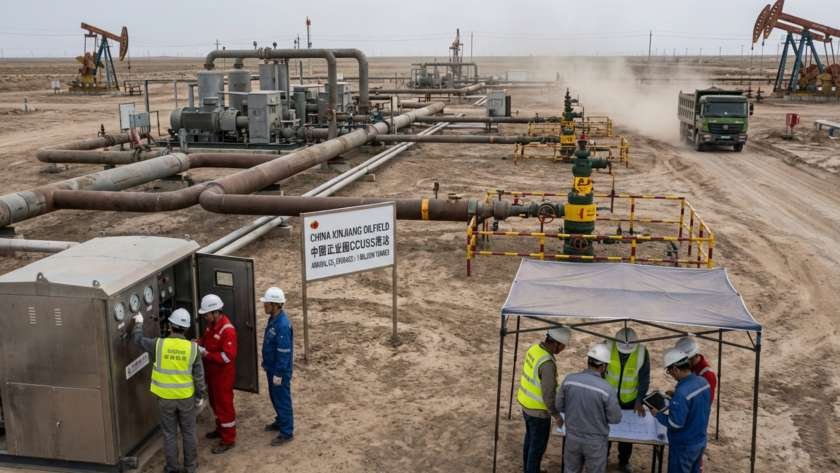
China’s Xinjiang Oilfield has surpassed one million tonnes of annual carbon dioxide (CO₂) storage, marking a decisive breakthrough in the industrial-scale deployment of carbon capture, utilization and storage (CCUS) technologies.
The achievement positions Xinjiang Oilfield-one of China’s most significant oil production bases-as a national leader in integrating emissions reduction with energy production at scale.
For…
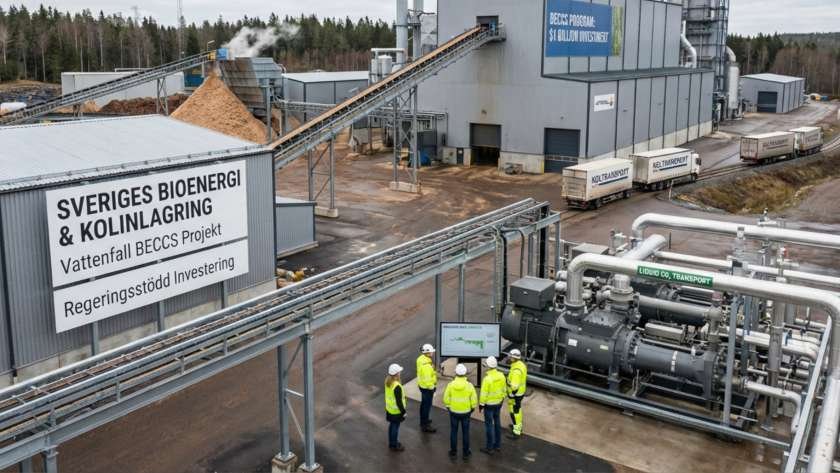
Sweden has taken a decisive step toward shaping the future of sustainable industry with a new $1 billion funding program designed to boost bioenergy with carbon capture and storage (BECCS). The initiative signals a bold commitment to industrial decarbonization and reinforces Sweden’s long-term climate vision-achieving net-zero emissions by 2045 and moving toward a carbon-negative economy thereafter.
Announced by…
UK Government Advances Carbon Capture and Storage with Strategic Funding
The UK government’s 2025 Spending Review marks a pivotal moment for carbon capture and storage (CCUS) in the country. With a clear focus on accelerating industrial decarbonization and clean energy transition, the government has confirmed substantial financial support for major CCUS projects. This includes the…
Introduction
Norway has launched one of the world’s first full-scale carbon capture and storage (CCS) projects for heavy industry. Backed by billions in government funding, this groundbreaking effort could reshape how countries approach industrial decarbonization.
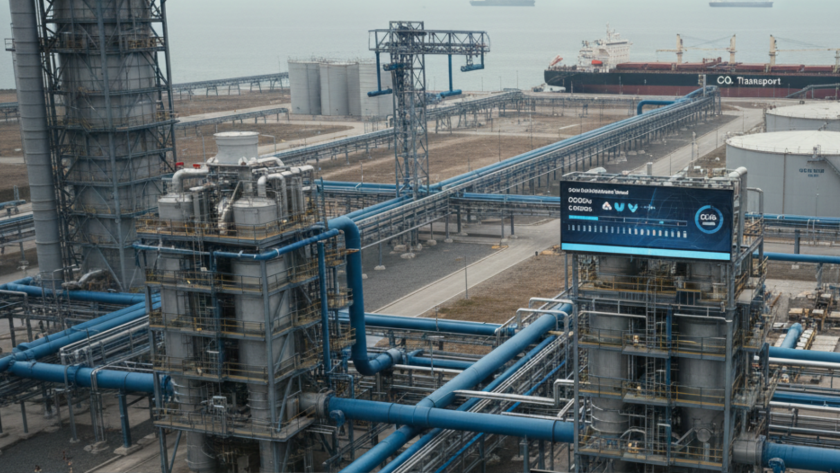
This isn’t a small trial. It’s a nation-wide commitment to capture, transport, and store CO₂ deep beneath the North Sea.…
Introduction
As the race to net zero intensifies, Asia is fast becoming a hotspot for carbon capture, utilisation, and storage (CCUS). At the centre of this transformation stands Japan, positioning itself as a regional leader driving policy, investment, and collaboration across Asia.
This article explores how Japan’s leadership in carbon capture could reshape Asia’s industrial…
BHP is bringing together a global group of steelmakers and energy companies to explore carbon capture, utilization, and storage (CCUS) hubs across Asia. The effort focuses on industries that are some of the hardest to decarbonize: steel, cement, and chemicals. For these sectors, CCUS is not just a technology option. It is rapidly becoming a…
CCUS mainstream adoption is accelerating. Once seen as too expensive and experimental, carbon capture, utilization, and storage (CCUS) is now becoming central to industrial strategy. A mix of regulatory pressure, investor demands, and customer expectations is transforming CCUS from an optional add-on to a core business requirement. For executives, the question is no longer whether…
US carbon capture incentives are at the center of the nation’s decarbonization strategy. Washington is betting billions through the Inflation Reduction Act (IRA) and additional reforms, making CCUS one of the most financially supported climate technologies in history. Yet regulatory bottlenecks, permitting delays, and political uncertainty mean executives must weigh both the upside potential and…
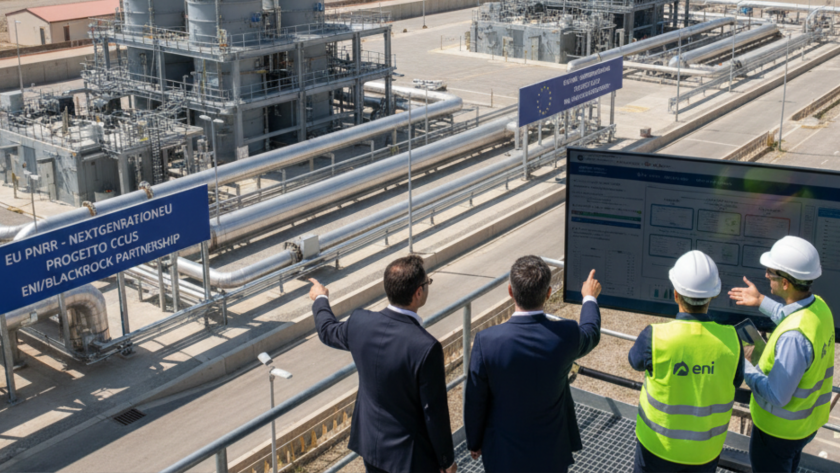
The recent BlackRock CCUS investment in Eni’s carbon capture, utilization, and storage portfolio has redefined the market. BlackRock’s Global Infrastructure Partners acquired a 49.99 percent stake in projects spanning the United Kingdom, the Netherlands, and Italy. By aligning the world’s largest asset manager with one of Europe’s leading energy companies, this deal transforms CCUS from…